


Mobile Wound Clinic: Convenient Care When You Need It
In today's fast-paced world, access to healthcare can often feel like a daunting task, especially when it comes to specialized services like wound care. Traditional clinics may have long wait times, inconvenient hours, or simply be too far away. Enter the mobile wound clinic—a revolutionary approach to healthcare that brings expert care directly to your doorstep. This innovative service is designed to provide timely and effective treatment for wounds, ensuring that patients receive the care they need without the hassle of traveling.
What is a Mobile Wound Clinic?
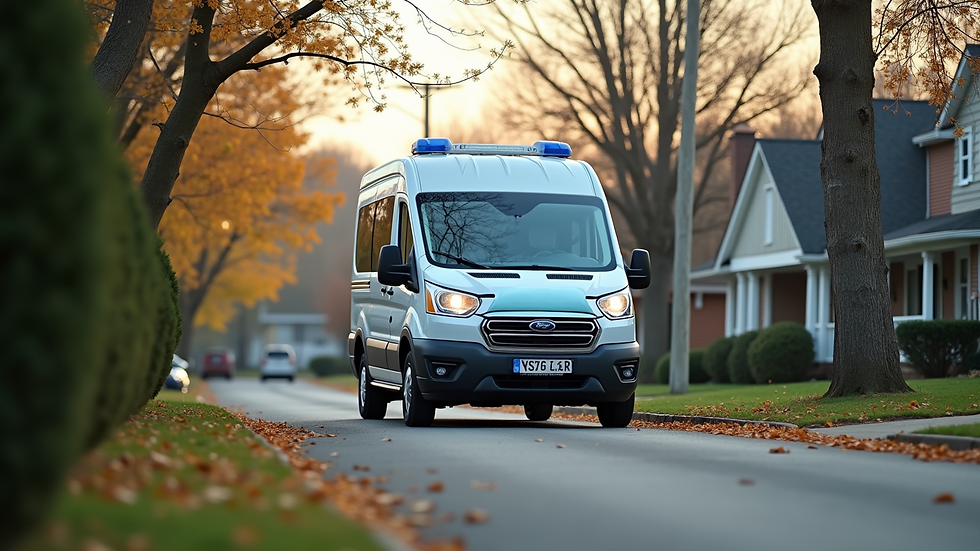
A mobile wound clinic is a specialized healthcare service that travels to patients' locations to provide wound care. This can include treatment for chronic wounds, surgical wounds, diabetic ulcers, and more. The clinic is typically staffed by trained healthcare professionals, including nurses and wound care specialists, who are equipped with the necessary tools and supplies to deliver high-quality care.
Key Features of Mobile Wound Clinics
Convenience: Patients can receive care in the comfort of their own homes, eliminating the need for travel.
Personalized Care: Mobile clinics often offer one-on-one consultations, allowing for tailored treatment plans.
Flexible Scheduling: Many mobile clinics provide services during evenings and weekends, accommodating patients' busy schedules.
Comprehensive Services: From wound assessment to dressing changes and education on wound care, mobile clinics cover a wide range of services.
The Importance of Wound Care
Wound care is a critical aspect of healthcare that can significantly impact a patient's quality of life. Proper treatment can prevent complications such as infections, delayed healing, and even amputations. Here are some reasons why effective wound care is essential:
Prevention of Infection: Open wounds are susceptible to bacteria, which can lead to serious infections. Timely care helps minimize this risk.
Faster Healing: Specialized treatment can promote quicker healing, reducing the overall time a patient suffers from a wound.
Improved Quality of Life: Chronic wounds can cause pain and discomfort. Effective management can alleviate these symptoms, allowing patients to return to their daily activities.
Who Can Benefit from Mobile Wound Clinics?
Mobile wound clinics cater to a diverse range of patients. Here are some groups that can particularly benefit from this service:
Seniors
Older adults often face mobility challenges, making it difficult for them to visit traditional clinics. Mobile wound clinics provide a solution by bringing care directly to their homes.
Patients with Chronic Conditions
Individuals with diabetes or vascular diseases may experience chronic wounds that require ongoing care. Mobile clinics can offer regular assessments and treatments, ensuring these patients receive consistent care.
Post-Surgical Patients
After surgery, patients may need specialized wound care to promote healing. Mobile clinics can assist with dressing changes and monitor for any signs of complications.
Caregivers
Family members who are responsible for caring for loved ones with wounds can benefit from the expertise of mobile wound care professionals. These clinics can provide education and support to ensure proper care is administered.
How Mobile Wound Clinics Operate
Mobile wound clinics typically operate through a simple process that prioritizes patient convenience and care quality. Here’s how it works:
Scheduling an Appointment: Patients can contact the clinic to schedule a visit. Many clinics offer online booking options for added convenience.
Initial Assessment: During the first visit, a healthcare professional will assess the wound and discuss the patient's medical history.
Treatment Plan: Based on the assessment, a personalized treatment plan will be developed, which may include dressing changes, medication, and education on wound care.
Follow-Up Visits: Regular follow-up visits are scheduled to monitor healing progress and adjust the treatment plan as necessary.
Advantages of Mobile Wound Clinics
Accessibility
One of the most significant advantages of mobile wound clinics is their accessibility. Patients who may have difficulty traveling due to health issues or lack of transportation can receive the care they need without added stress.
Cost-Effectiveness
Mobile clinics can often reduce healthcare costs by minimizing hospital visits and preventing complications that may arise from untreated wounds. This can lead to lower overall healthcare expenses for patients and insurance providers alike.
Enhanced Patient Satisfaction
Patients appreciate the convenience and personalized care that mobile clinics provide. This often leads to higher satisfaction rates, as individuals feel more in control of their healthcare journey.
Challenges and Considerations
While mobile wound clinics offer numerous benefits, there are also challenges to consider:
Limited Resources
Mobile clinics may not have access to the same resources as traditional hospitals or clinics. This can limit the types of treatments they can provide on-site.
Regulatory Compliance
Mobile clinics must adhere to healthcare regulations and standards, which can vary by location. Ensuring compliance can be a complex process.
Patient Education
While mobile clinics provide expert care, patients must also be educated on how to manage their wounds between visits. This requires effective communication and support from healthcare professionals.
Real-Life Examples of Mobile Wound Clinics
Several mobile wound clinics have successfully implemented their services in various communities, demonstrating the effectiveness of this approach.
Example 1: Healing at Home
In a suburban area, a mobile wound clinic called Healing at Home has been providing care to seniors and individuals with chronic conditions. The clinic has reported a significant reduction in hospital readmissions for patients with chronic wounds, showcasing the impact of timely and accessible care.
Example 2: Wound Care on Wheels
Wound Care on Wheels operates in urban settings, offering services to busy professionals and families. By providing evening and weekend appointments, they have successfully catered to patients who struggle to find time for medical appointments during regular hours.
The Future of Mobile Wound Clinics
As the demand for convenient healthcare continues to grow, mobile wound clinics are likely to expand their reach and services. Innovations in telehealth and remote monitoring may also play a role in enhancing the effectiveness of mobile wound care.
Potential Developments
Telehealth Integration: Incorporating telehealth services can allow healthcare professionals to monitor wounds remotely, providing additional support between in-person visits.
Expanded Services: Mobile clinics may begin to offer additional services, such as physical therapy or nutritional counseling, to address the holistic needs of patients with wounds.
Community Partnerships: Collaborating with local hospitals and healthcare providers can enhance the resources available to mobile clinics, improving patient outcomes.
Conclusion
Mobile wound clinics represent a significant advancement in healthcare delivery, providing convenient and effective care for patients with wounds. By bringing specialized services directly to individuals' homes, these clinics address the barriers that often prevent patients from receiving timely treatment. As the healthcare landscape continues to evolve, mobile wound clinics are poised to play a crucial role in ensuring that everyone has access to the care they need, when they need it.
If you or a loved one is struggling with a wound, consider reaching out to a mobile wound clinic in your area. The convenience and expertise they offer could make all the difference in your healing journey.


Comments